Bangkok Temples in One Day: How to Visit the Best Temples
To visit the best temples in Bangkok’s Old City in one day, you should plan your itinerary carefully and check the opening and closing times of each temple.
Starting My Bangkok Temple Tour at the Grand Palace
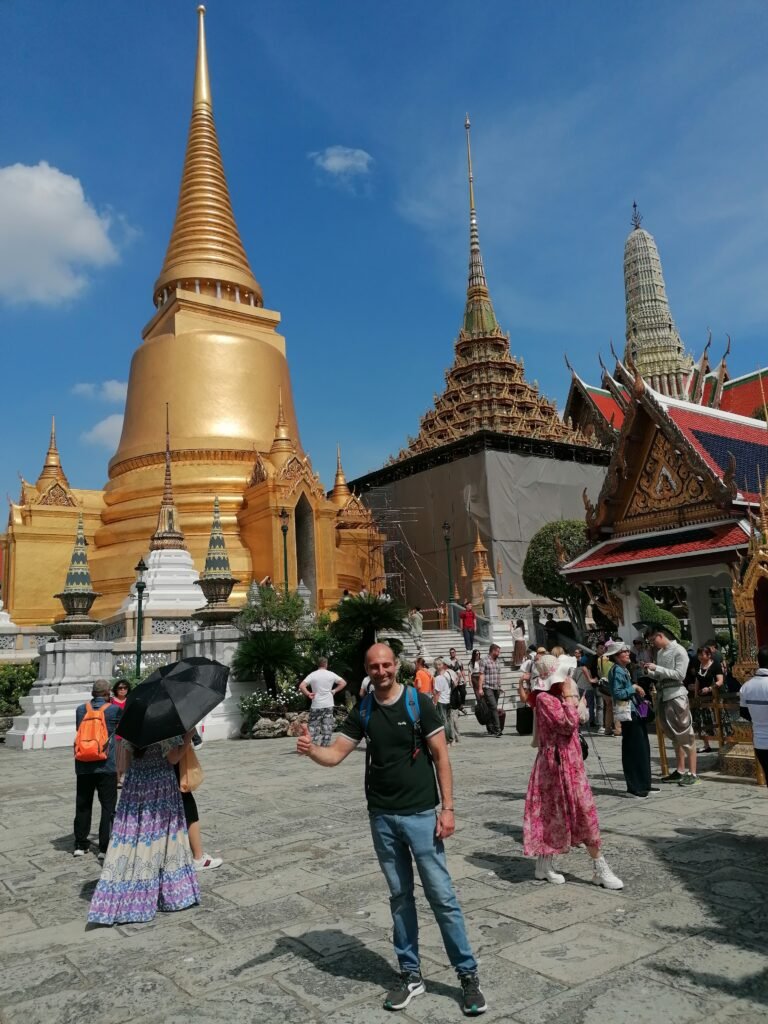
I started my sightseeing at the Grand Palace and the Temple of the Emerald Buddha (Wat Phra Kaew), which are open daily from 8:30 AM to 4:30 pm.
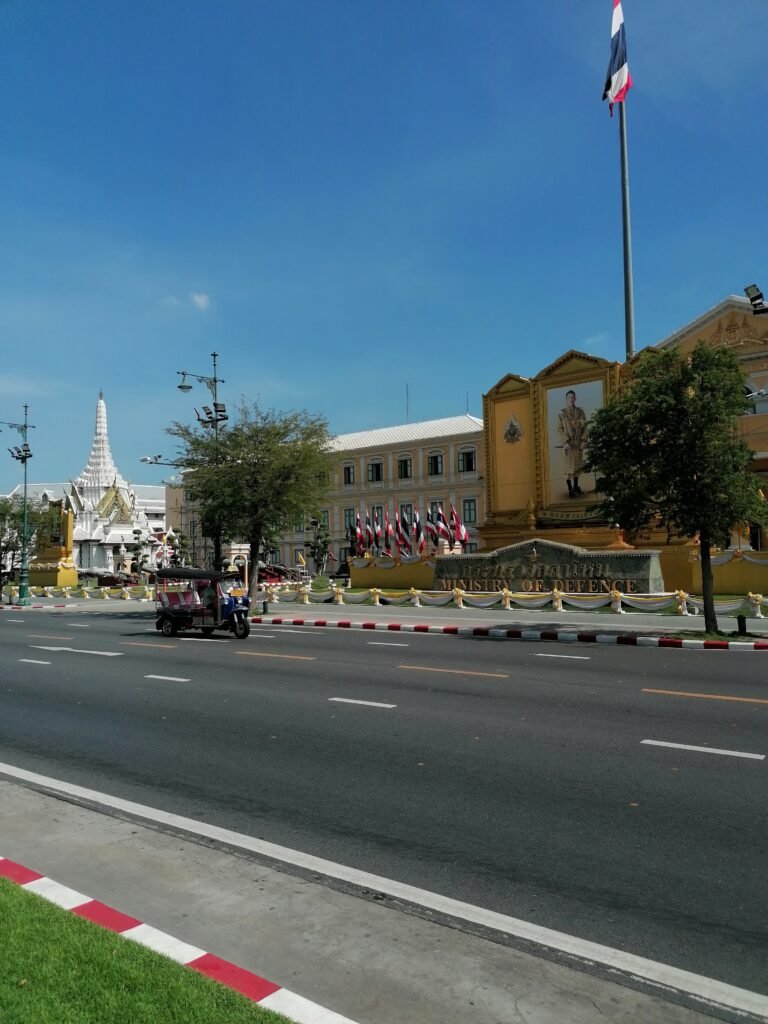
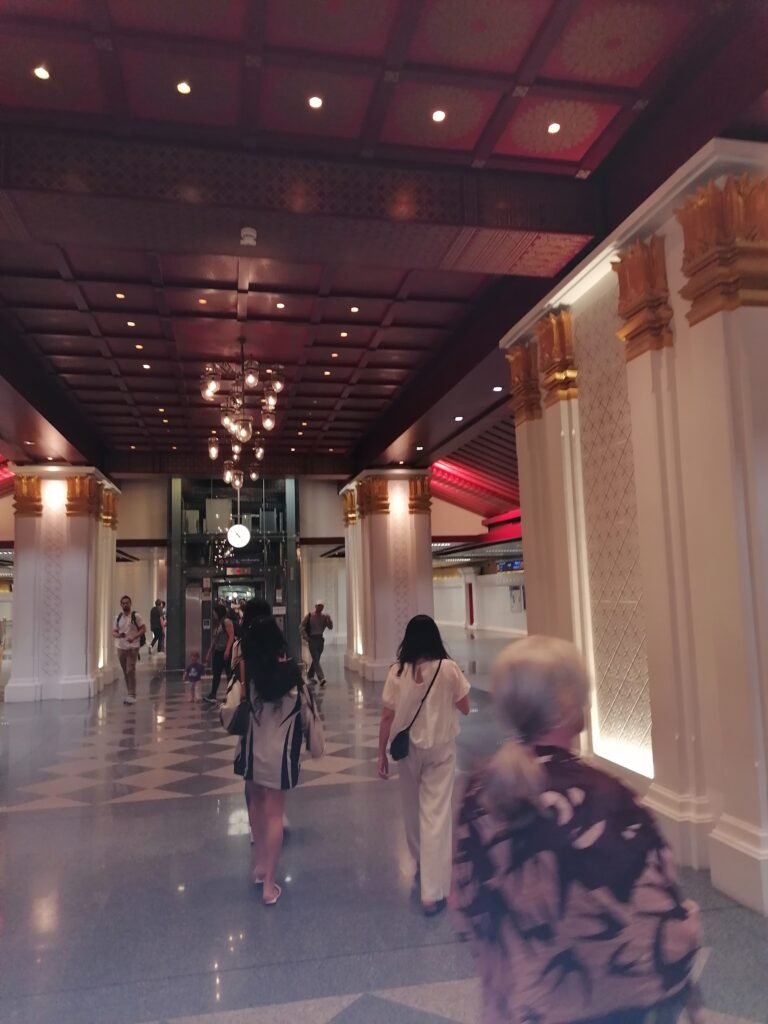
The easiest way to get to the Grand Palace by MRT is to take the Blue Line to Sanam Chai MRT Station and use Exit 1. From the station, you can walk towards the Grand Palace and follow the signs and arrows to the main entrance. The walk takes around 10–15 minutes, and I found the area around Sanam Chai Station a great place to take some of my first photos of Bangkok’s historic Old City. Along the way, you will also find plenty of small shops selling the famous elephant trousers and other lightweight clothes, which can be useful if you need to cover your knees before entering the Grand Palace. Remember that the Grand Palace has a strict dress code, so it is best to dress appropriately before you arrive.
Grand Palace Bangkok Guide: Tickets & What to See
The Grand Palace entrance fee for foreign visitors is 500 Thai Baht, which includes admission to the Grand Palace, the Temple of the Emerald Buddha (Wat Phra Kaew), and the Queen Sirikit Museum of Textiles within the complex.
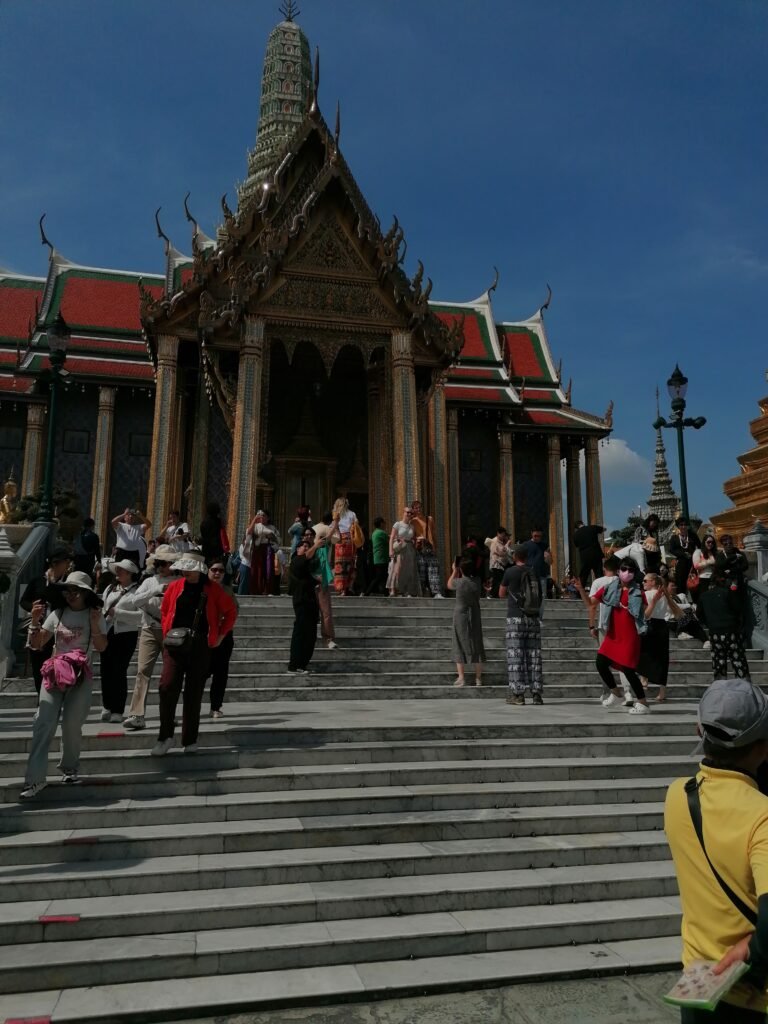
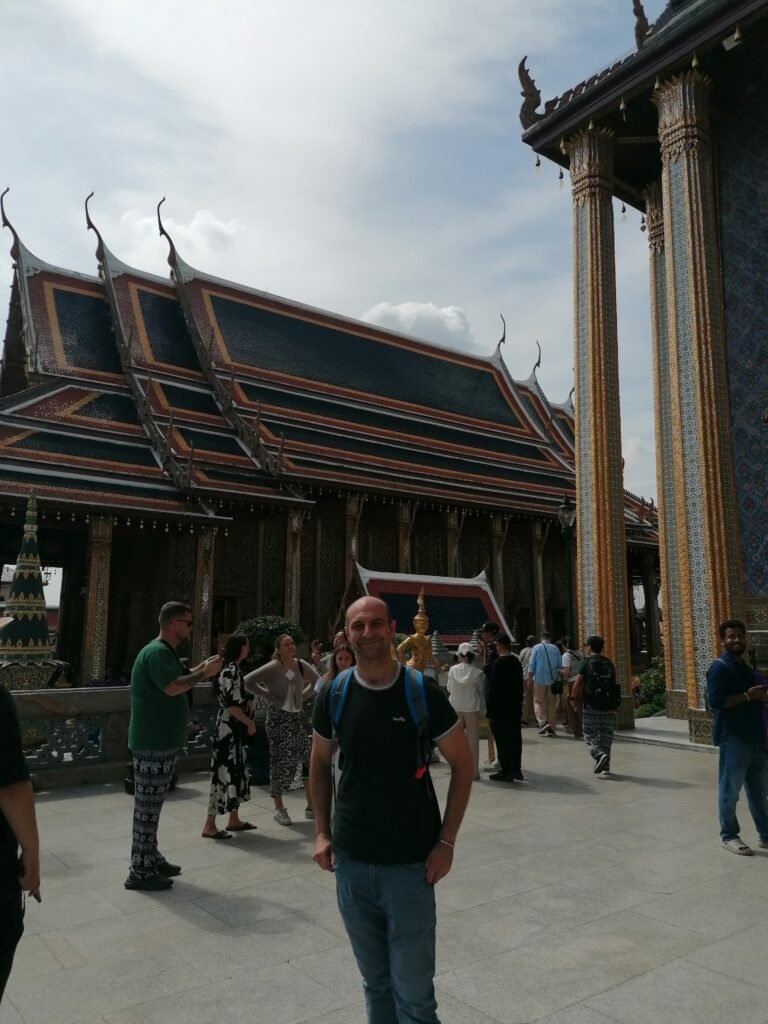
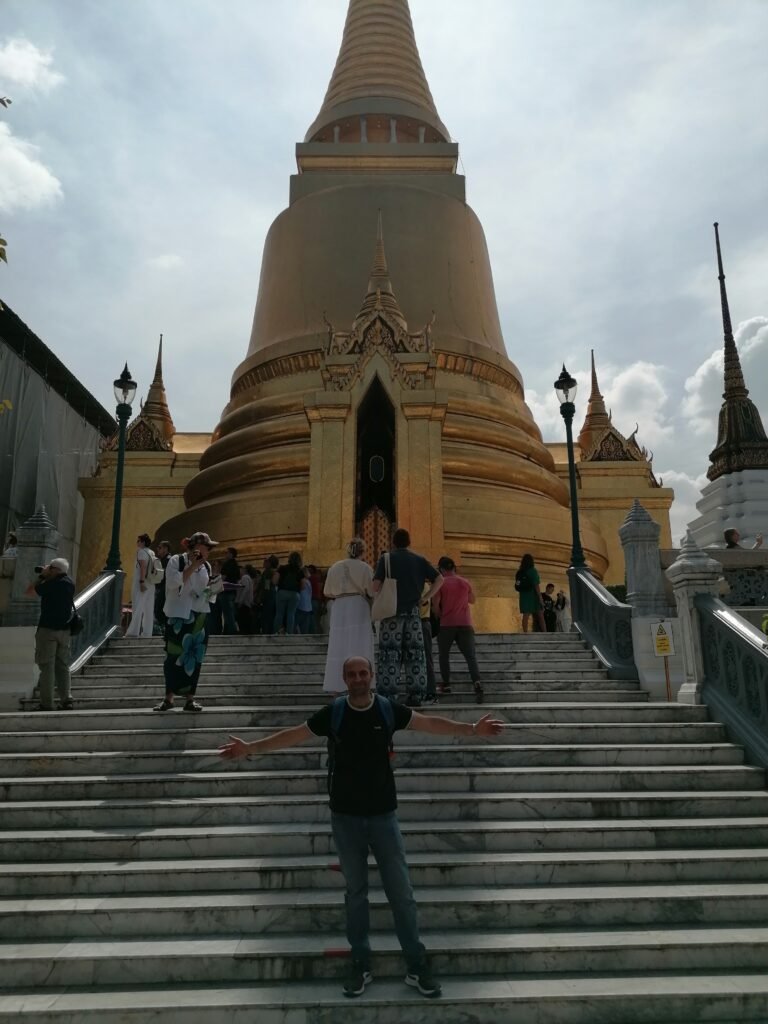
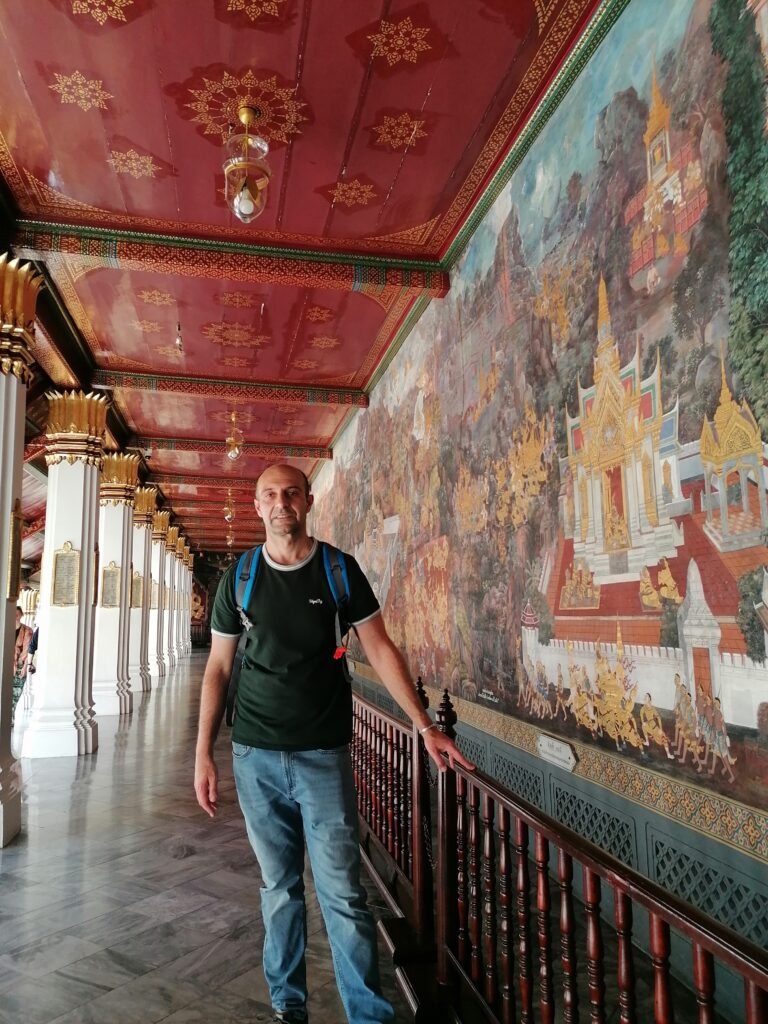
The Grand Palace Bangkok is one of Thailand’s most famous landmarks and a must-see attraction in Bangkok’s Old City. Built in 1782, the impressive complex was once the royal residence and includes the beautiful Temple of the Emerald Buddha (Wat Phra Kaew). With its golden temples, detailed architecture and rich history, the Grand Palace is a highlight of any first-time visit to Bangkok
The Emerald Buddha is one of the most important Buddhist images in Thailand and is located inside the temple’s main chapel. Photography is not allowed inside the chapel, so I put my camera away and took the time to appreciate this beautiful and sacred place .
Wat Pho Bangkok: Visiting the Famous Reclining Buddha
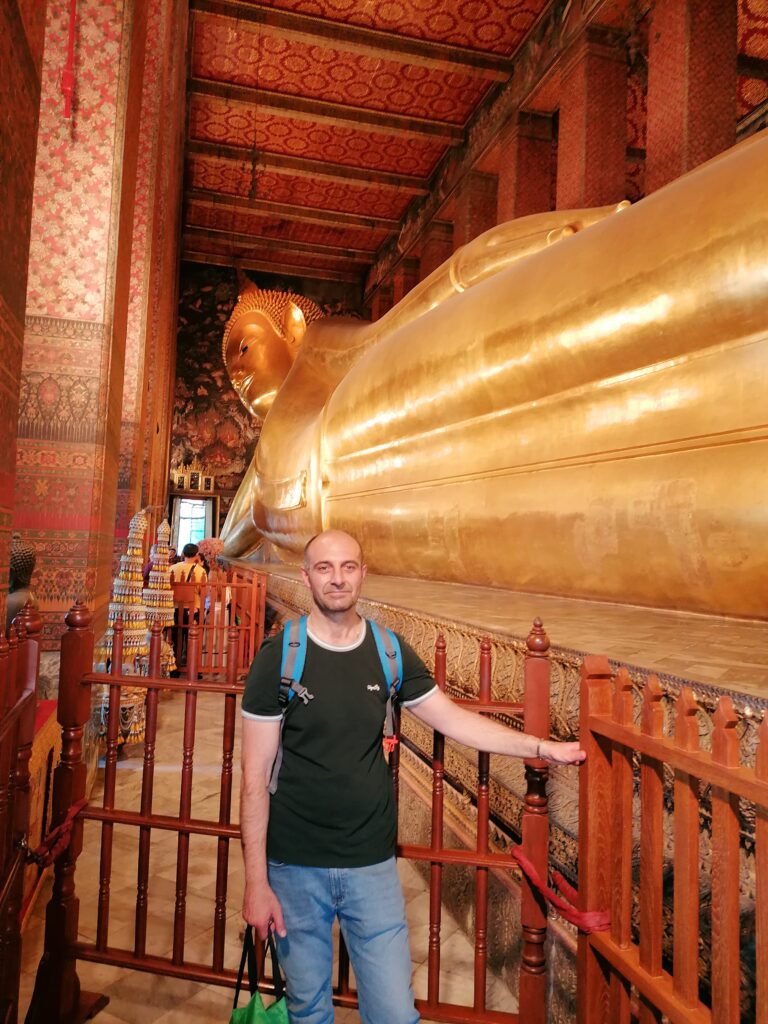
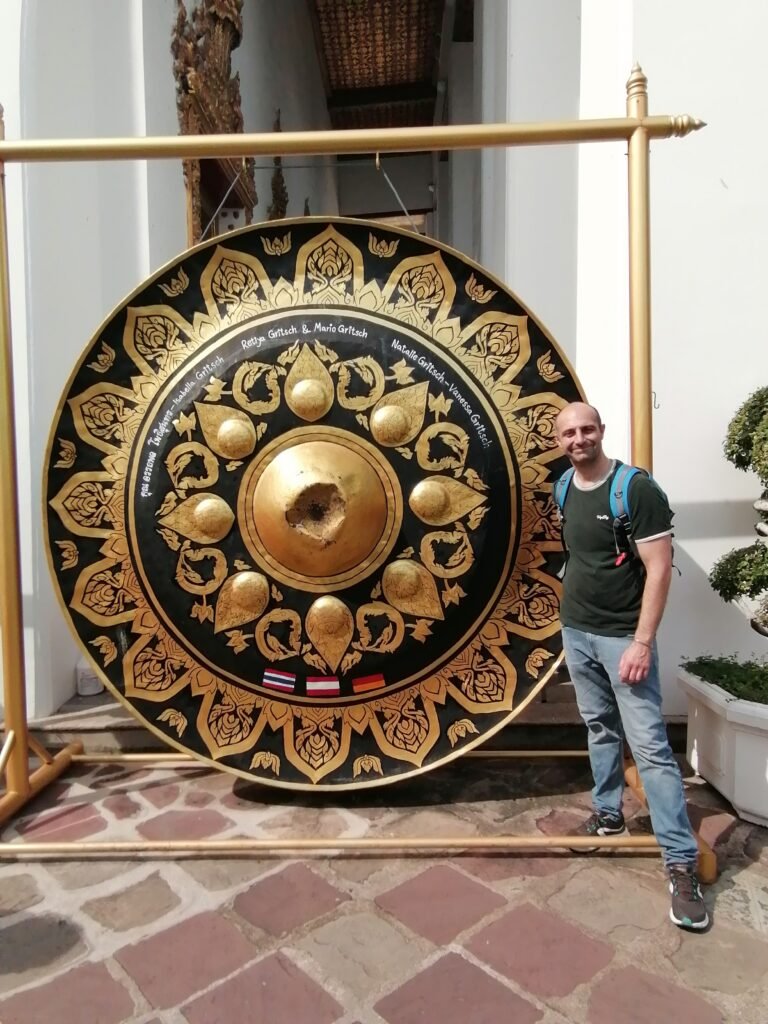
After the small break , my next stop was the Wat Pho with the famous reclining buddha.
The opening times is 8:30 am to 7:30 pm .and the entrance fee is 300 thai baht.
.
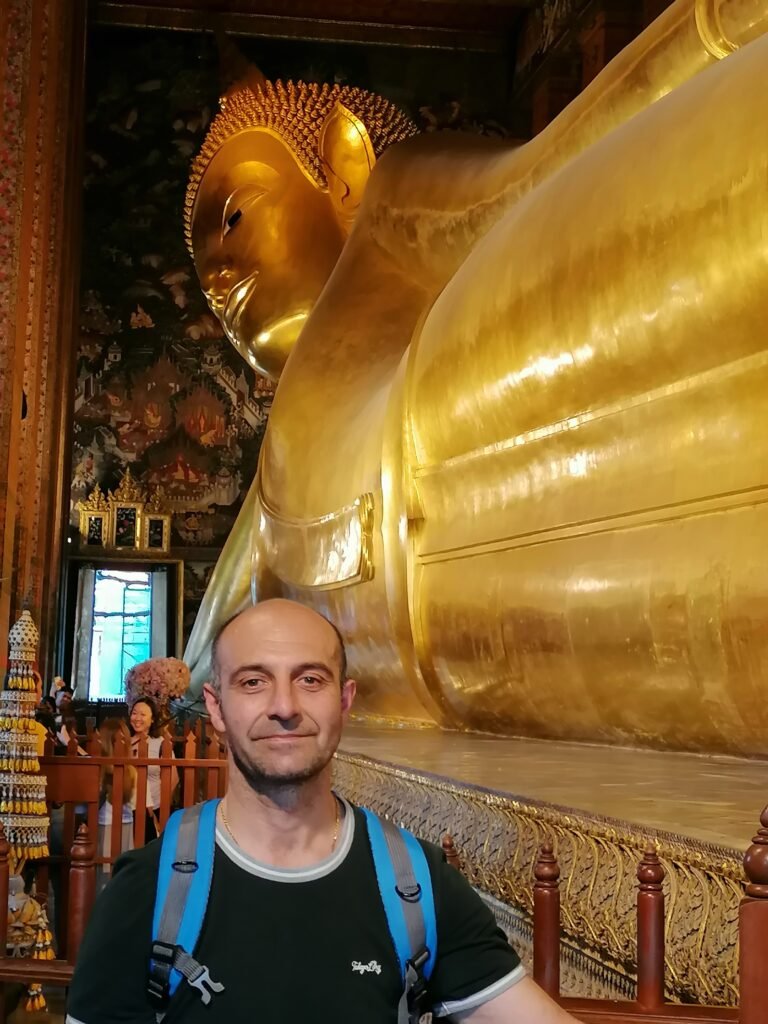
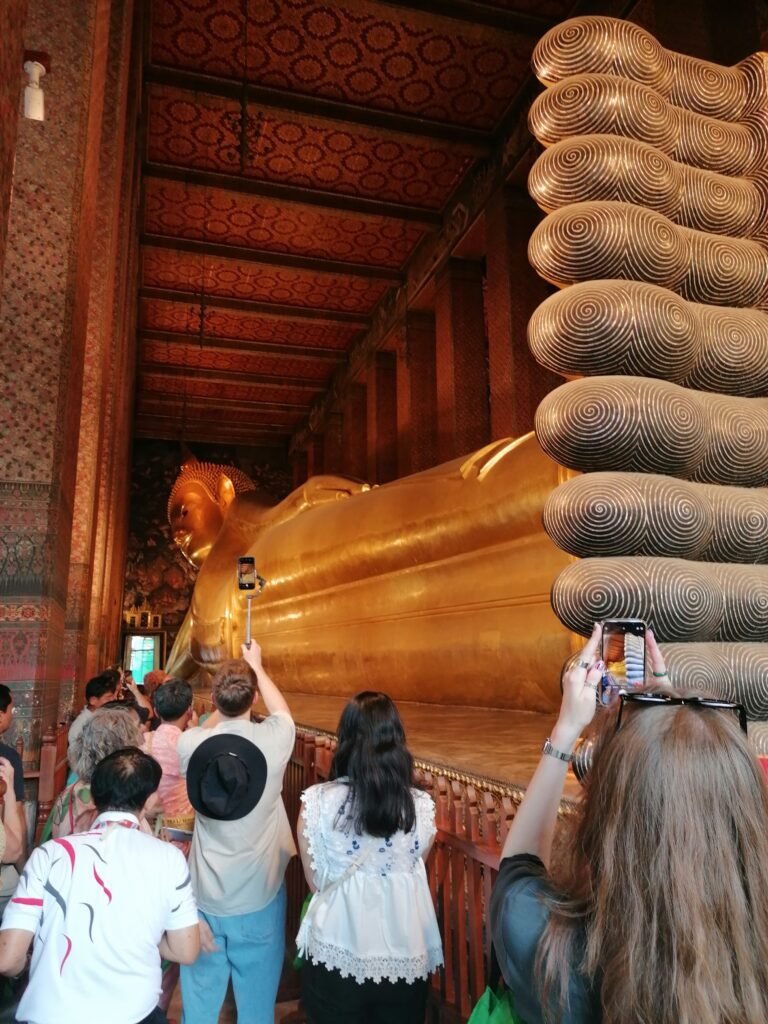
Wat Pho, also known as the Temple of the Reclining Buddha, is one of the most famous temples in Bangkok’s Old City. The highlight is the impressive golden Reclining Buddha, which measures 46 metres long and features beautifully decorated mother-of-pearl inlays on its feet. Wat Pho is located close to the Grand Palace, making it an easy stop on a Bangkok temple itinerary.
I was shocked by the enormous size of the Reclining Buddha at Wat Pho and the incredible details decorating the temple. Despite the large number of visitors, everyone seemed to respect the peaceful and sacred atmosphere. Fortunately, photography is permitted inside the Reclining Buddha hall, so I was able to take some fantastic pictures and capture the impressive details of the statue. Before entering, you need to remove your shoes, and the staff provide a small bag so you can carry them with you. This is especially useful when the temple is crowded, as it helps keep the entrance area organised.
Visiting Wat Arun After Wat Pho: Crossing the Chao Phraya River
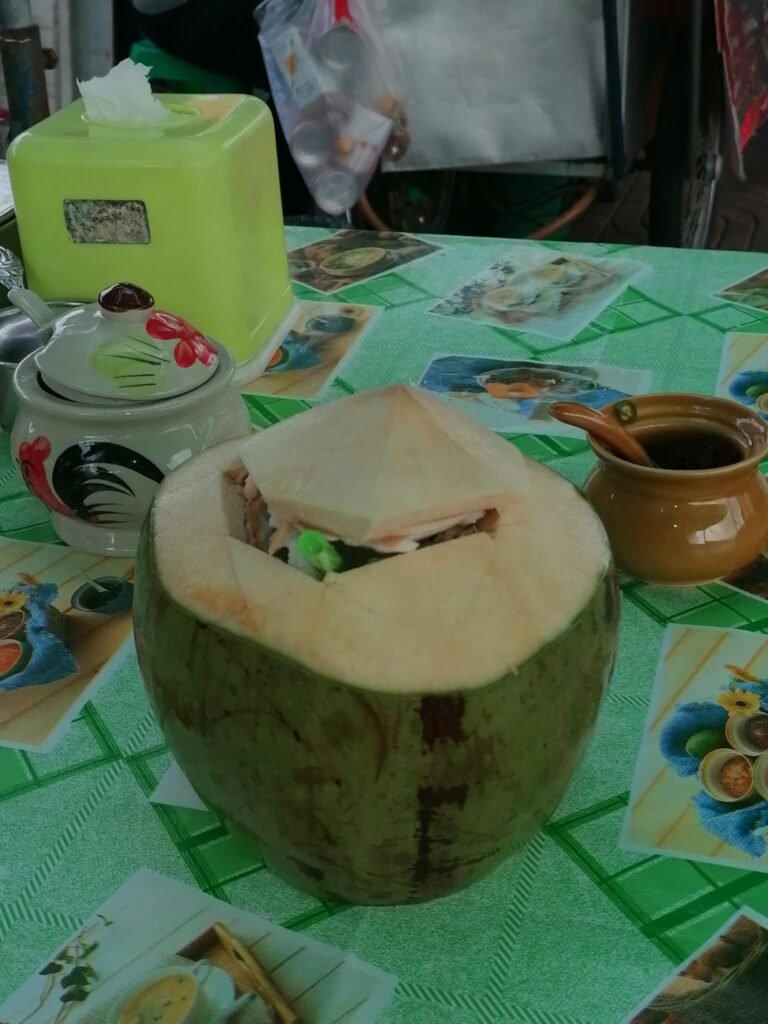
After visiting Wat Pho, I stopped for lunch at a small local market and enjoyed a delicious Pad Thai with fresh coconut.
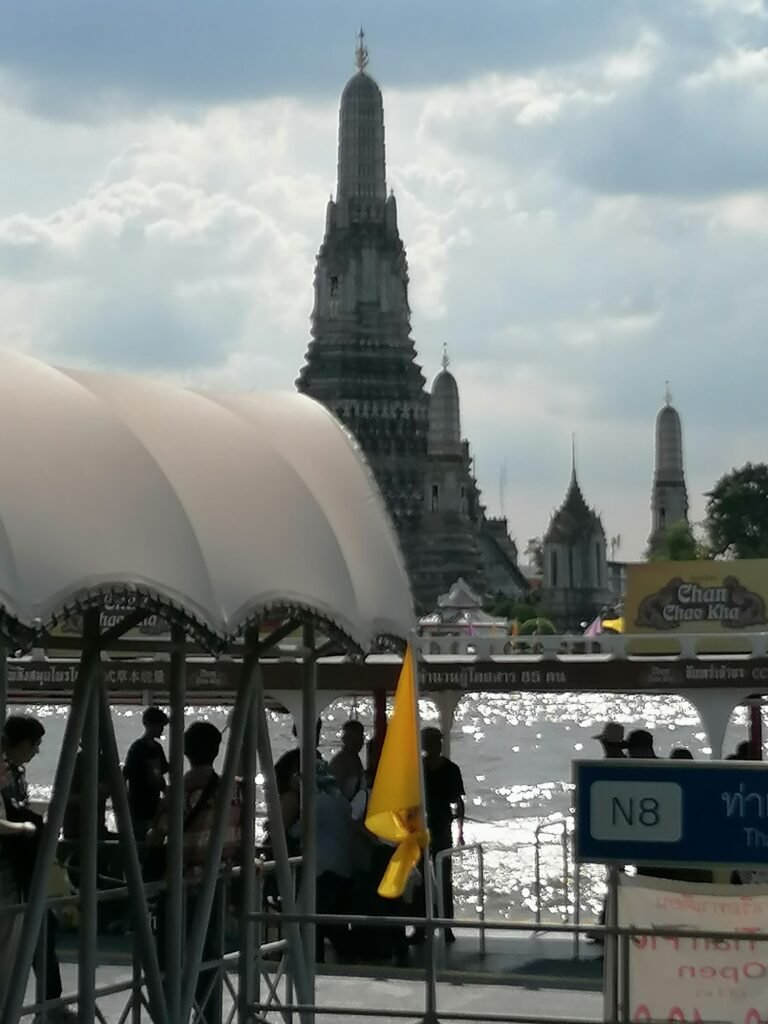
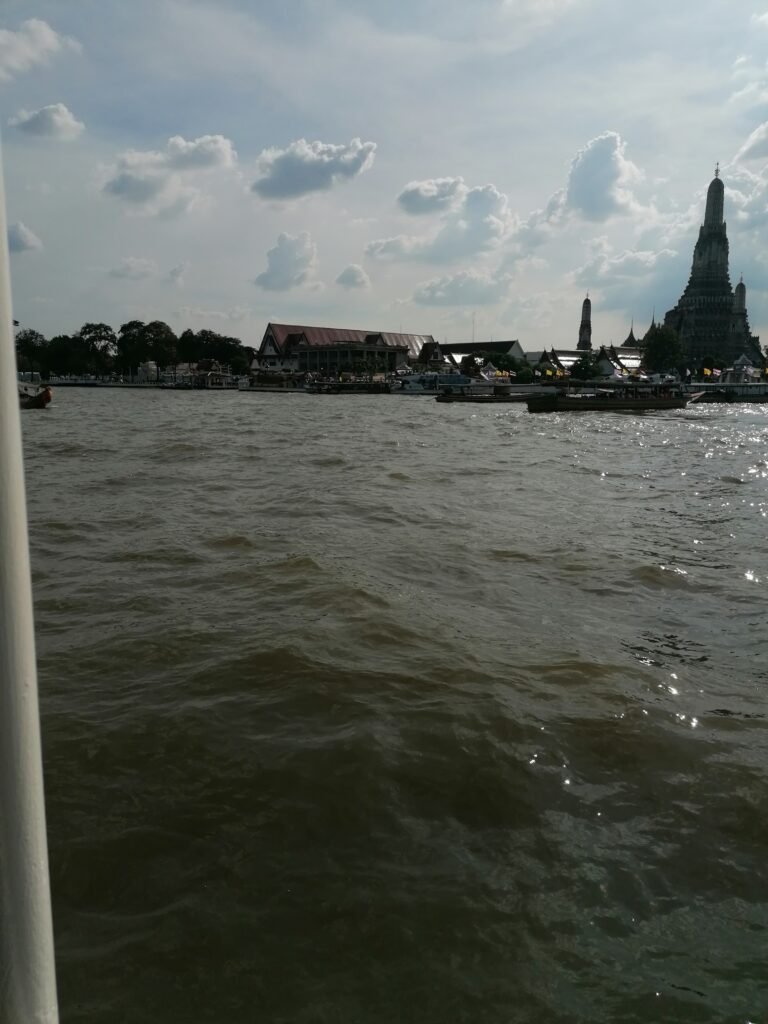
From there, I headed to the pier to take a short boat ride across the Chao Phraya River to Wat Arun Ratchawararam, also known as the Temple of Dawn. Wat Arun is one of Bangkok’s most famous riverside temples and a highlight of any one-day temple tour
Wat Arun was my final temple visit of the day. After exploring several of Bangkok’s most impressive temples, I was ready to slow down, enjoy the views and take in the atmosphere along the Chao Phraya River.
Starting My Visit to Wat Arun
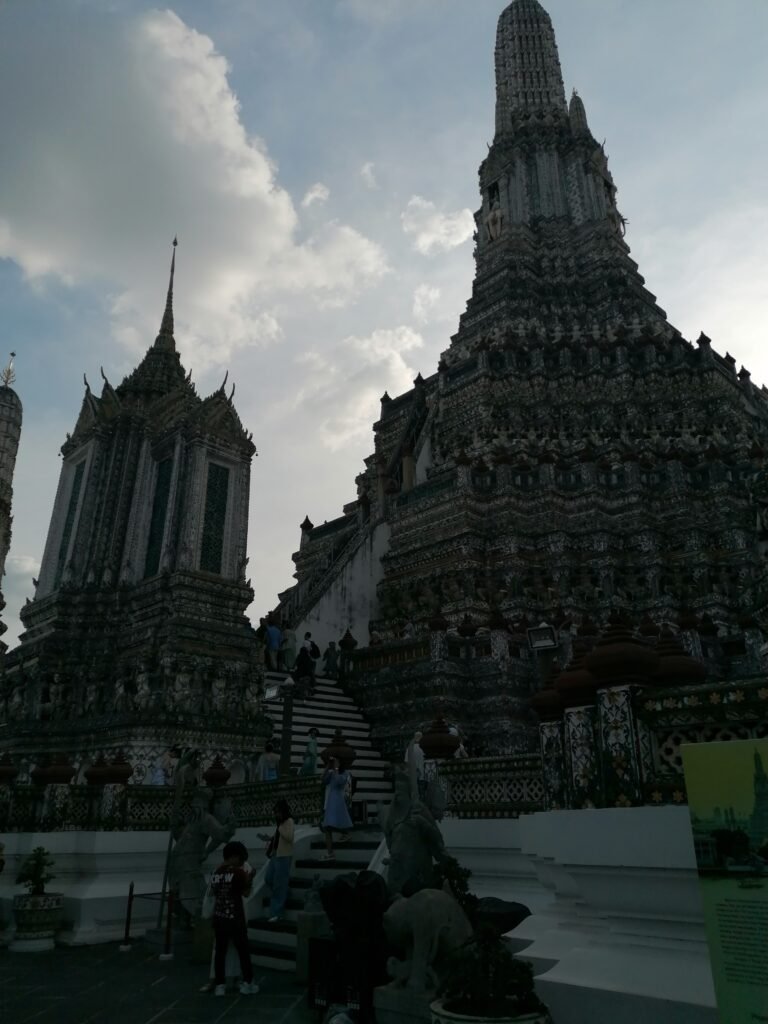
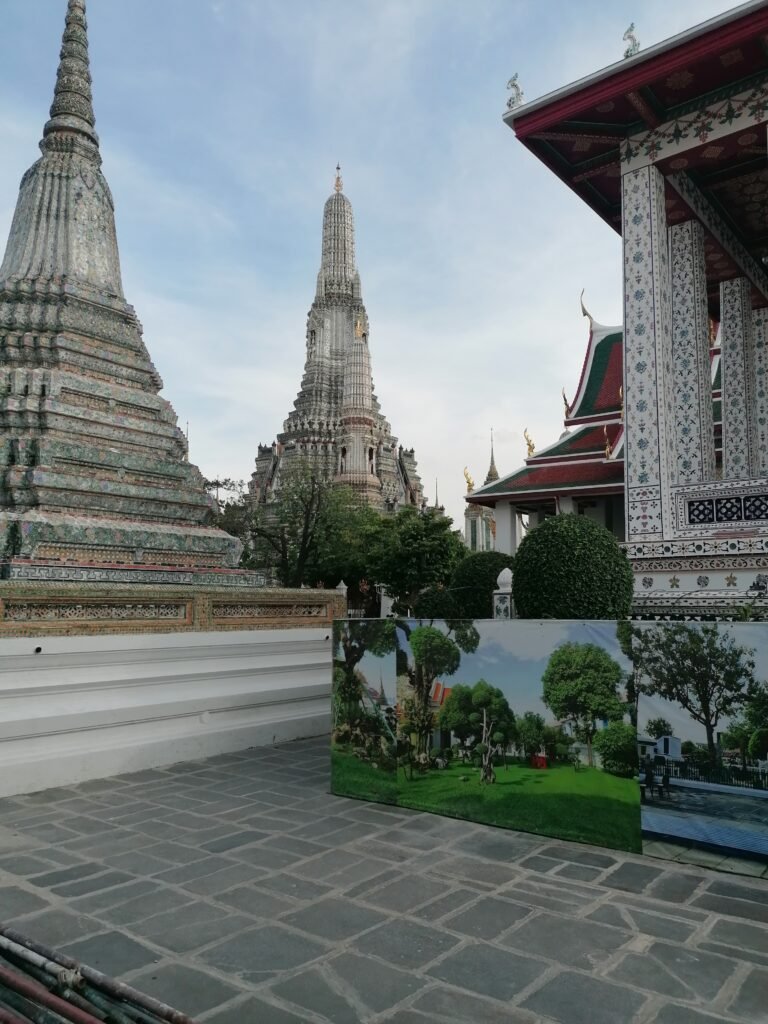
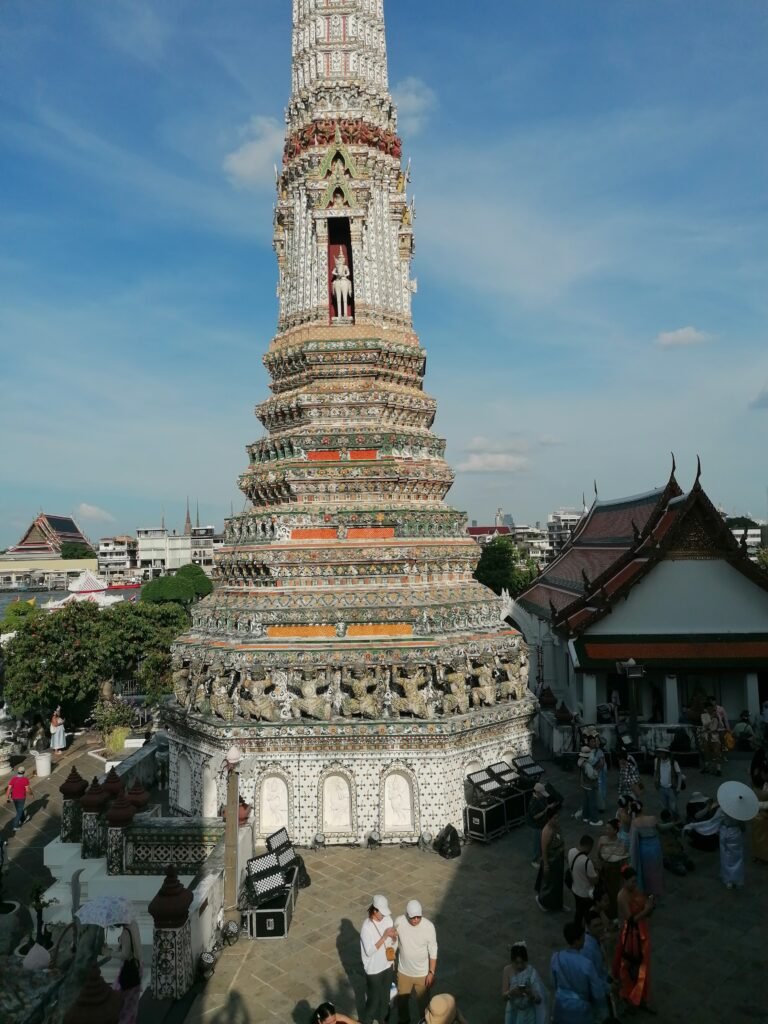
Wat Arun, also known as the Temple of Dawn, is one of the most beautiful temples in Bangkok, standing on the western bank of the Chao Phraya River. The temple is famous for its impressive central prang, decorated with colourful porcelain and intricate details. Its riverside location makes visiting Wat Arun a memorable part of any Bangkok temple itinerary, especially when arriving by boat from Wat Pho.
.
The temple dates back to the Ayutthaya period, when it was known as Wat Makok. It later became closely connected with the early Rattanakosin period and was significantly expanded and decorated during the reign of King Rama II and King Rama III. Its famous central prang was covered with colourful Chinese porcelain and seashells, creating the distinctive appearance visitors see today
I spent quite a lot of time at Wat Arun, taking photos and having friendly conversations with other travellers. It was interesting to hear their opinions and share our experiences of visiting Bangkok’s famous temples. Wat Arun was truly amazing, and after exploring the temple and enjoying the beautiful riverside atmosphere, I felt that I had found the perfect place to finish my Bangkok temple itinerary for the day.